

Online consortium meeting
02/02/2026
We publish the third newsletter of the project
29/04/2026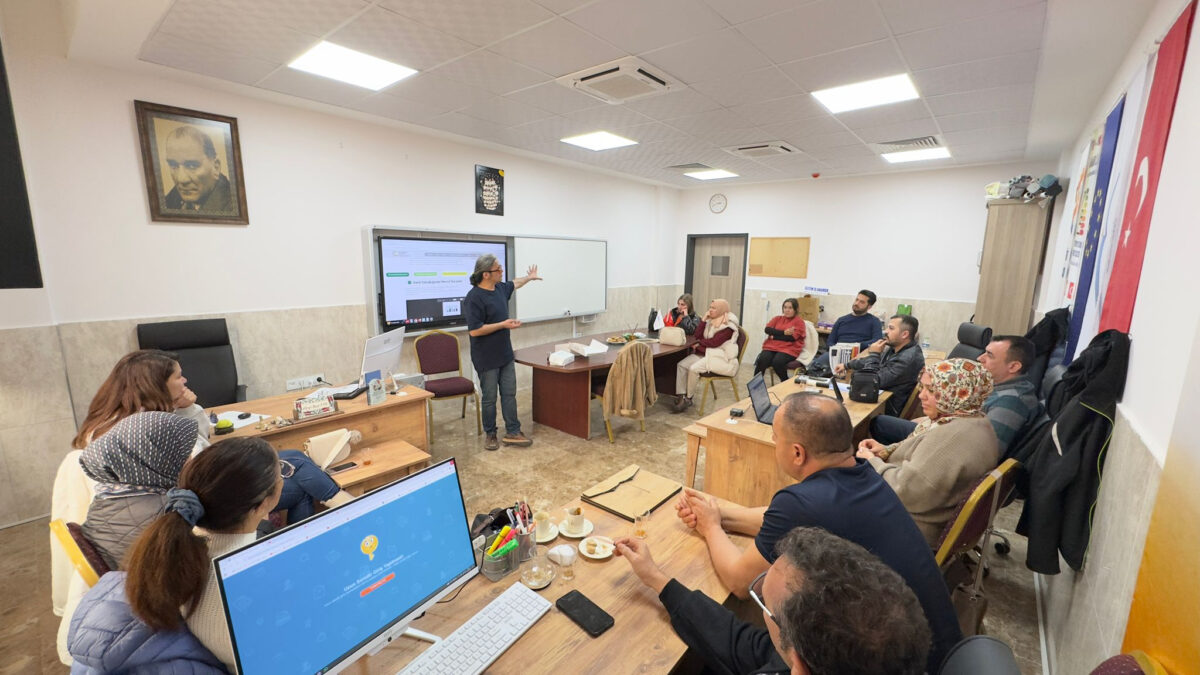
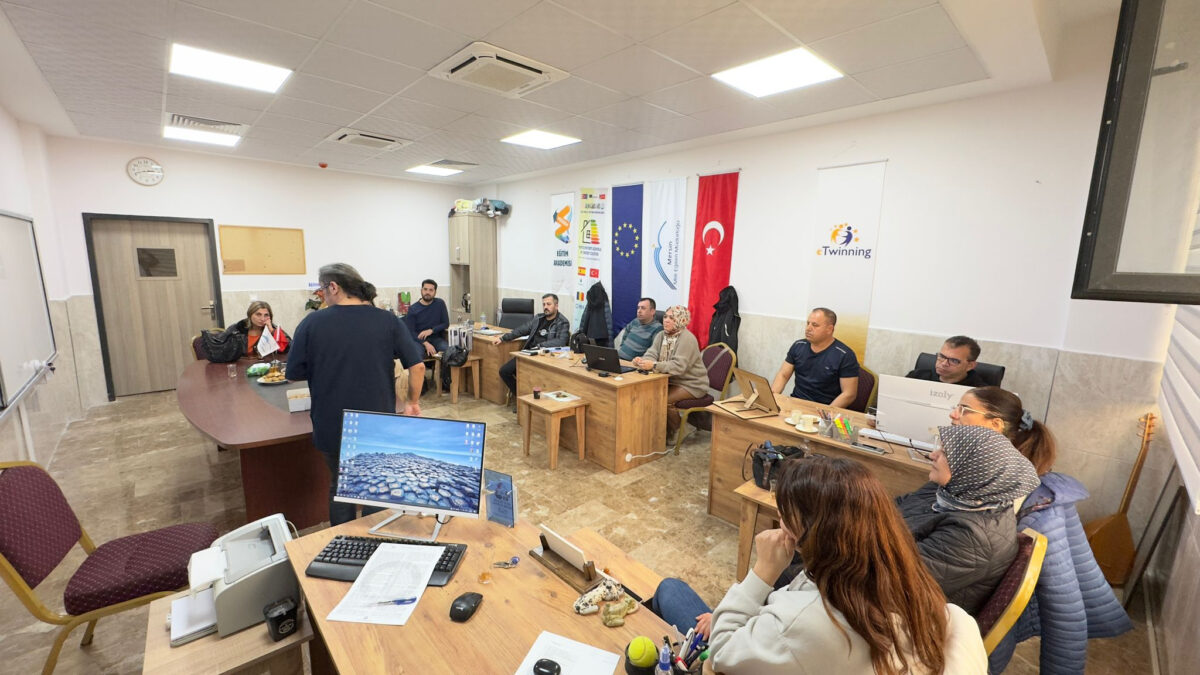
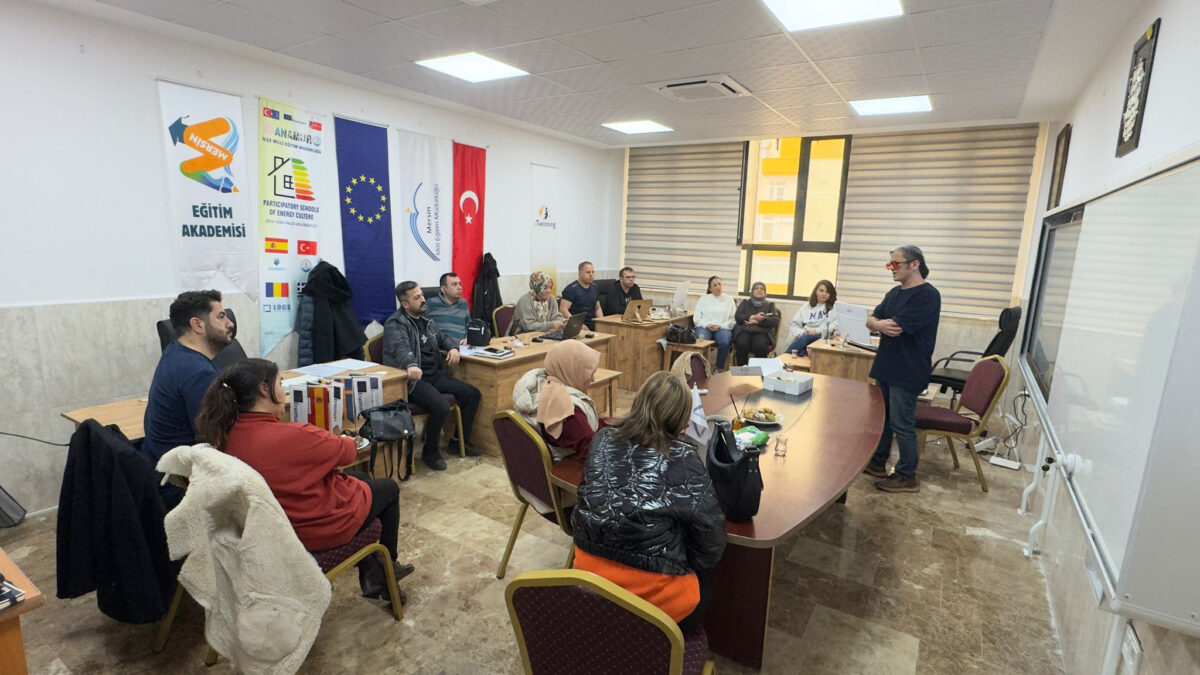
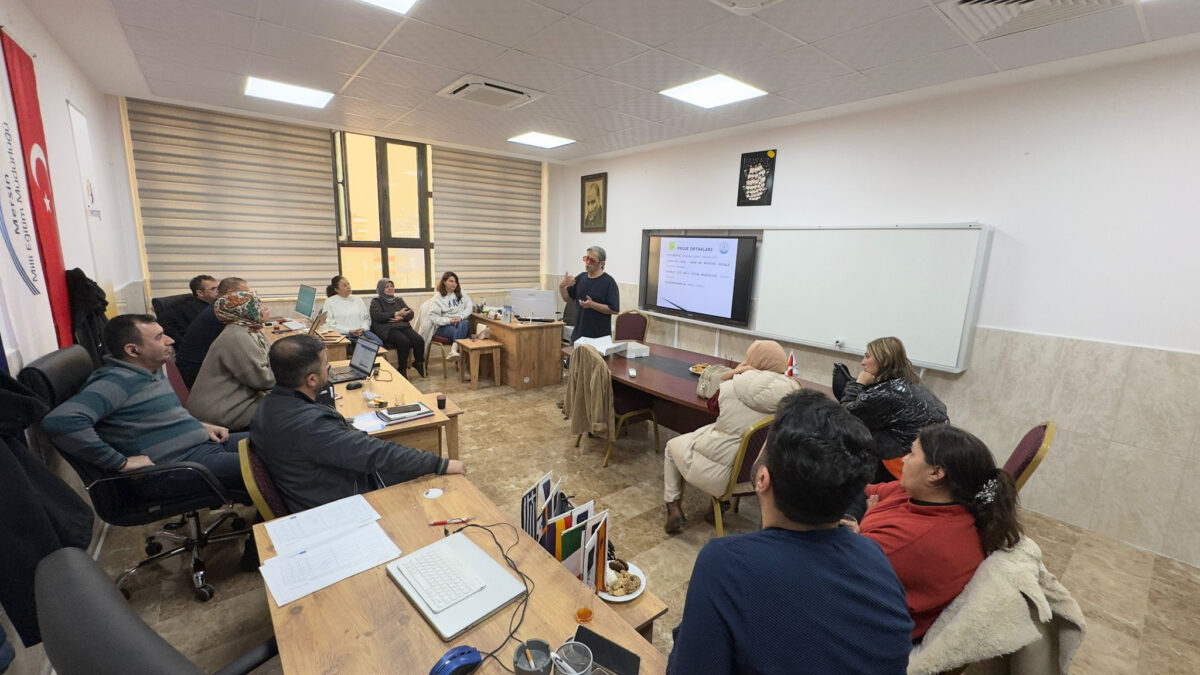
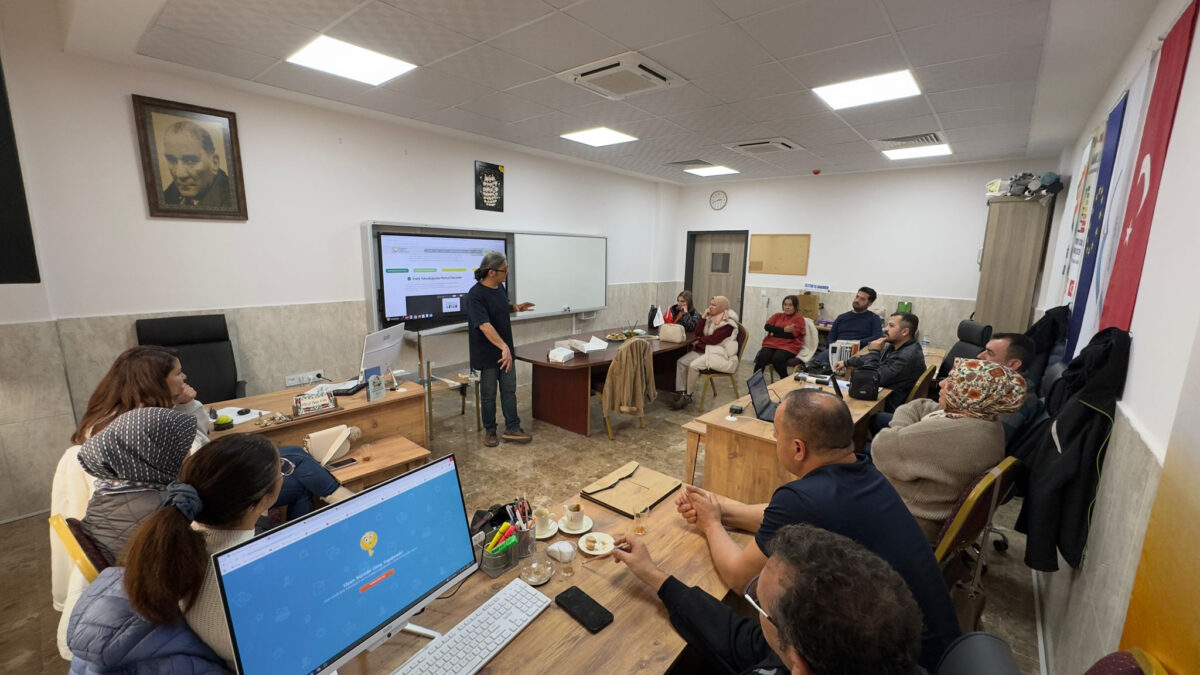
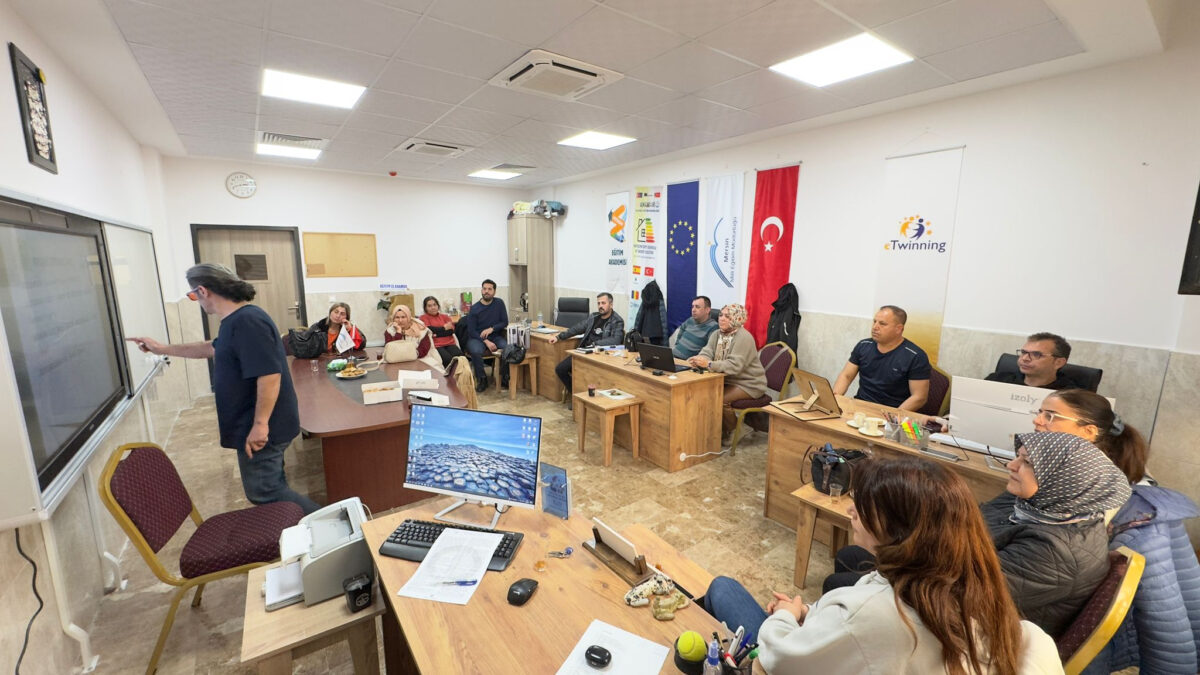
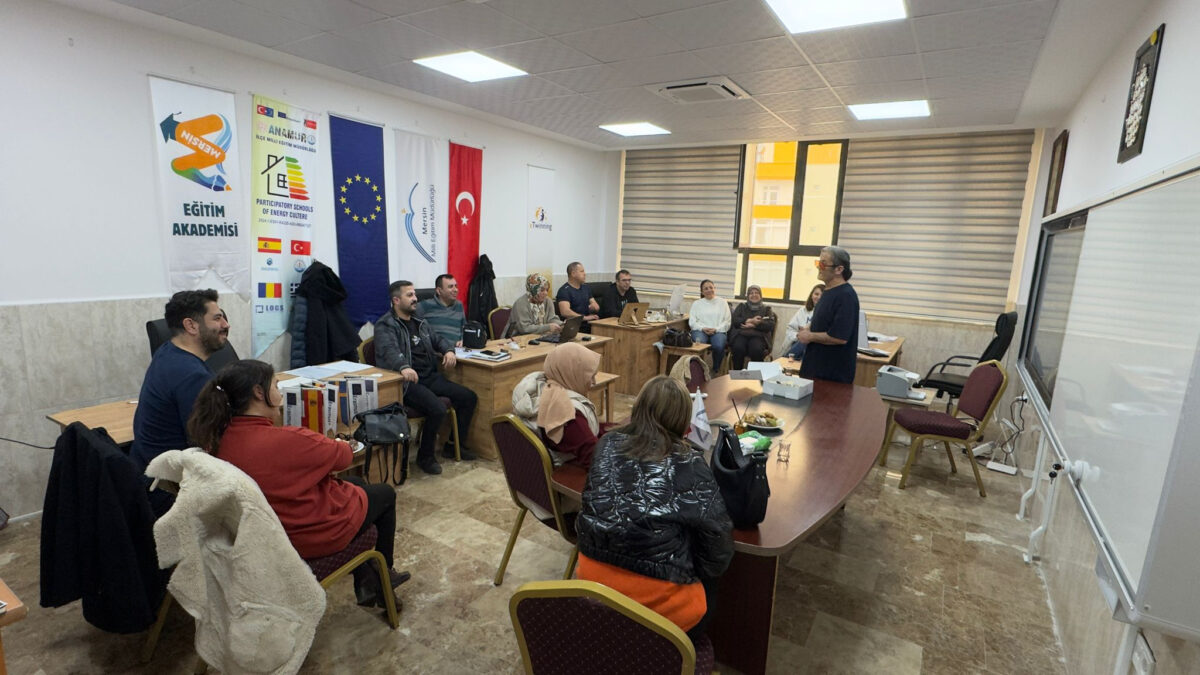
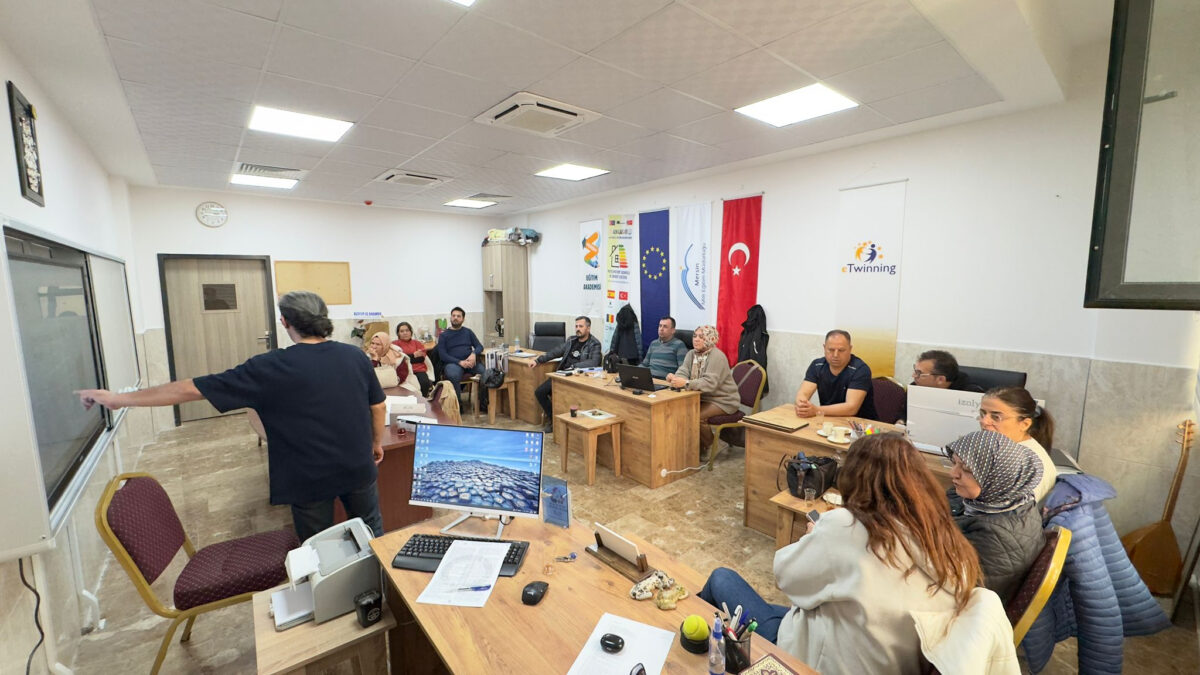
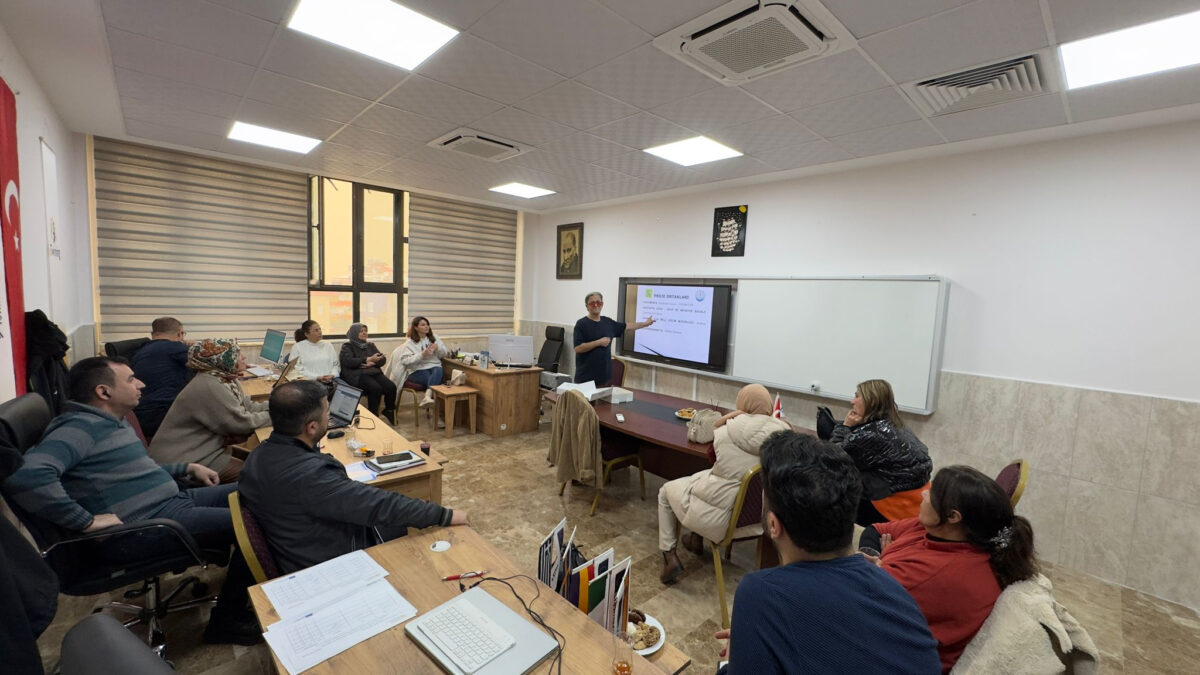
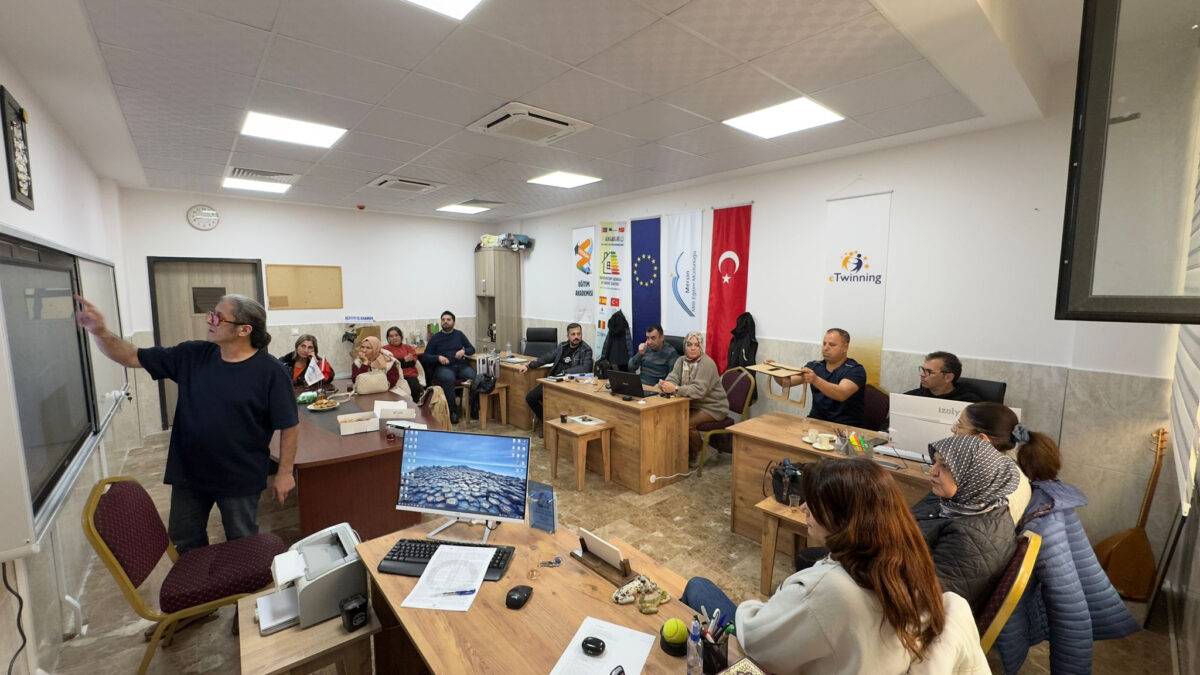
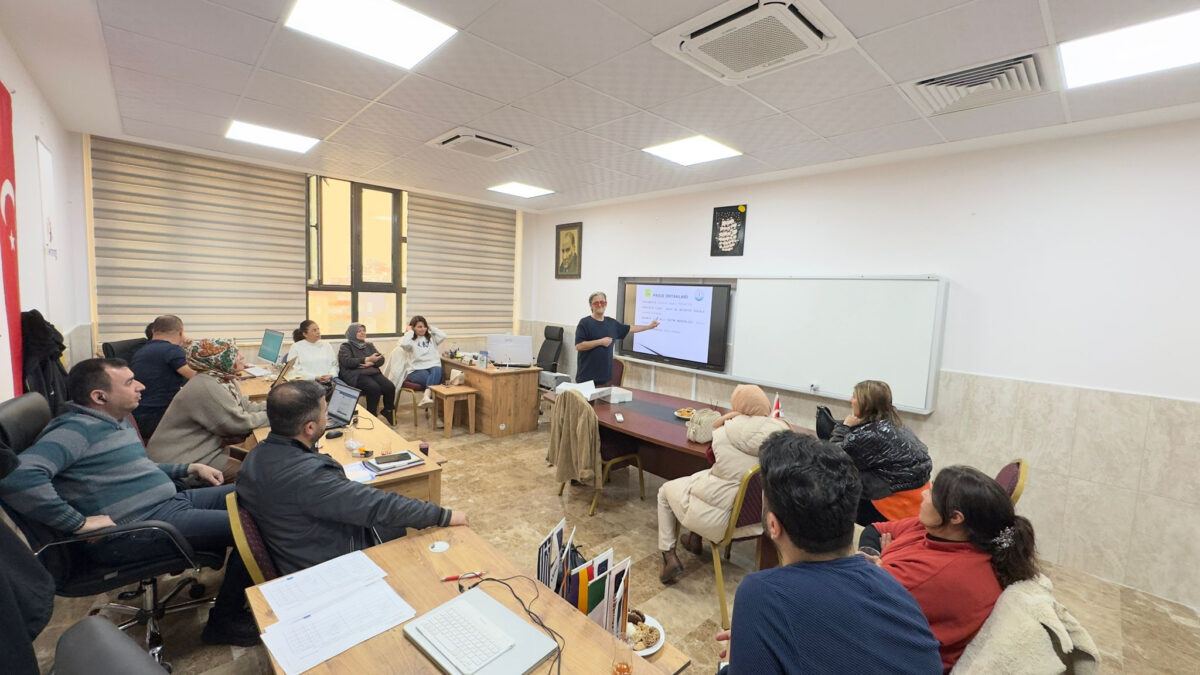
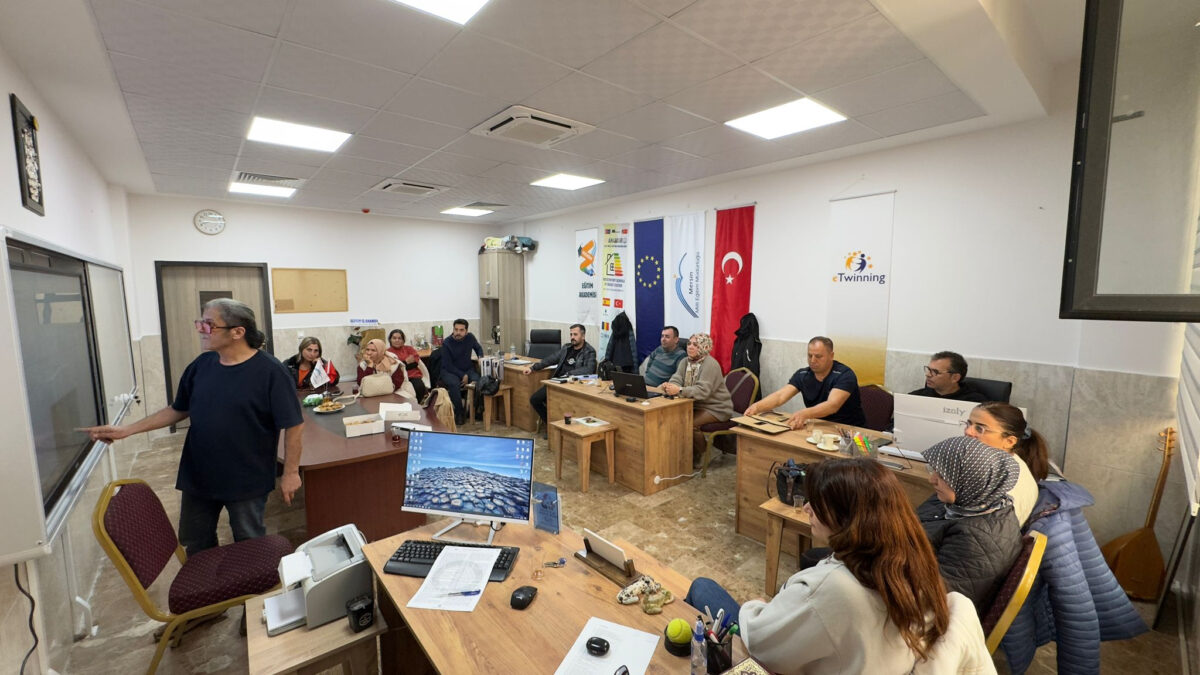
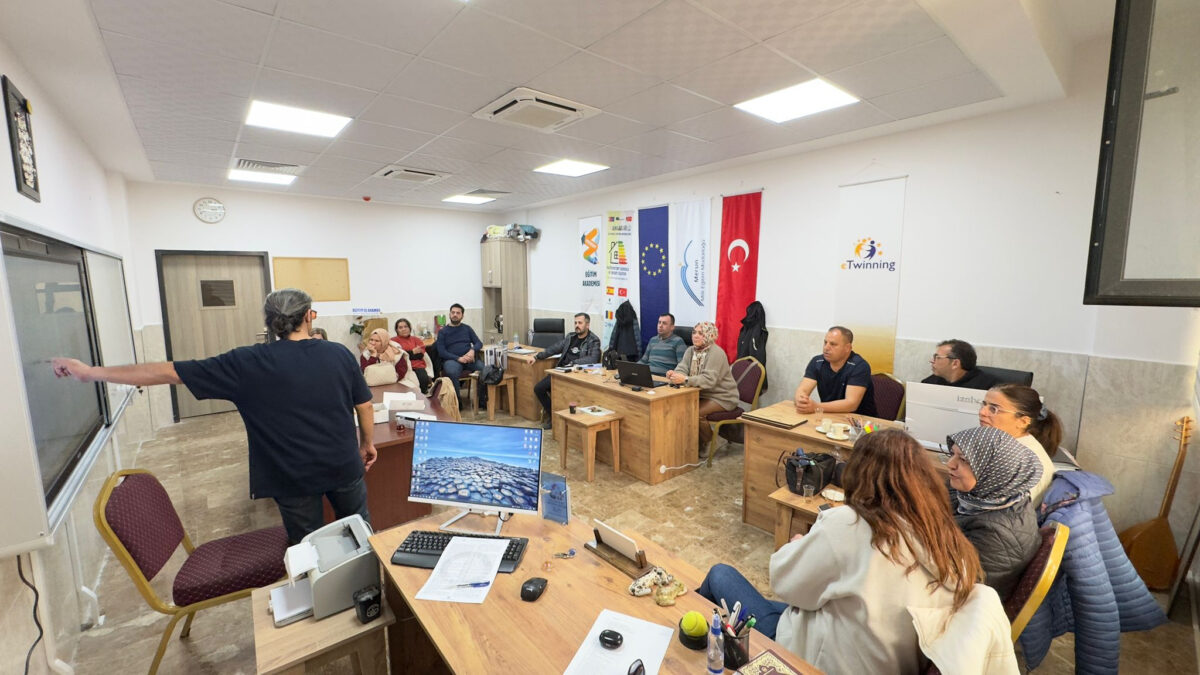
The first face-to-face training session was held to introduce and pilot the project’s Energy Education Programme at the Project Office of the Turkish partner organisation, the National Education Directorate of Anamur District.
The meeting was held with the teachers who will attend the piloting & prelimenary evaluation of the “Energy Culture and Ecological Transition” and “Eco-Skills in Energy Culture” courses, developed as part of the project’s 4th Work Package.
The participants of this meeting, 12 teachers, will attend in these two courses and provide feedback on the quality and content of the education program. Education program of the project constitutes one of the important steps of our project. The education program, consisting of 2 different courses containing in total 18 modules targeting theoretical and practical topics, will last one month. Participants o the education program will receive a certificate of participation upon successfully completing the 72-hours program. Six hours of this training will be conducted in person, and six hours will be conducted virtually. The first stage of the 15-day course program has been carefully designed with all course content and activities to ensure participants achieve the following outcomes:
1. Ability to analyze the concept of energy culture and its impact on energy consumption patterns
2. Ability to evaluate the role of cultural, social, and political factors in shaping energy policies and practices in Europe
3. Ability to assess the progress and challenges of ecological transition in various European contexts
4. Ability to critically engage with sustainable energy solutions from interdisciplinary perspectives
5. Ability to develop informed arguments regarding the future of energy culture and ecological transformation in Europe
6. Understanding the conceptualization of energy culture and its specific manifestations in Turkey
7. Ability to analyze Turkey’s energy transition within the framework of EU policies and legislation
8. Ability to assess the scope and socio-economic impacts of Turkey’s renewable energy initiatives
9. Ability to critically evaluate the challenges and opportunities related to Turkey’s transition to sustainable energy
10. Ability to develop an informed perspective on the future of Turkey’s energy landscape in line with EU sustainability goals