
We Join #HopeRevolution with a New Participatory Action
26/06/2026
#HopeRevolution continues with “Metamorphosis”. Get involved!
06/08/2026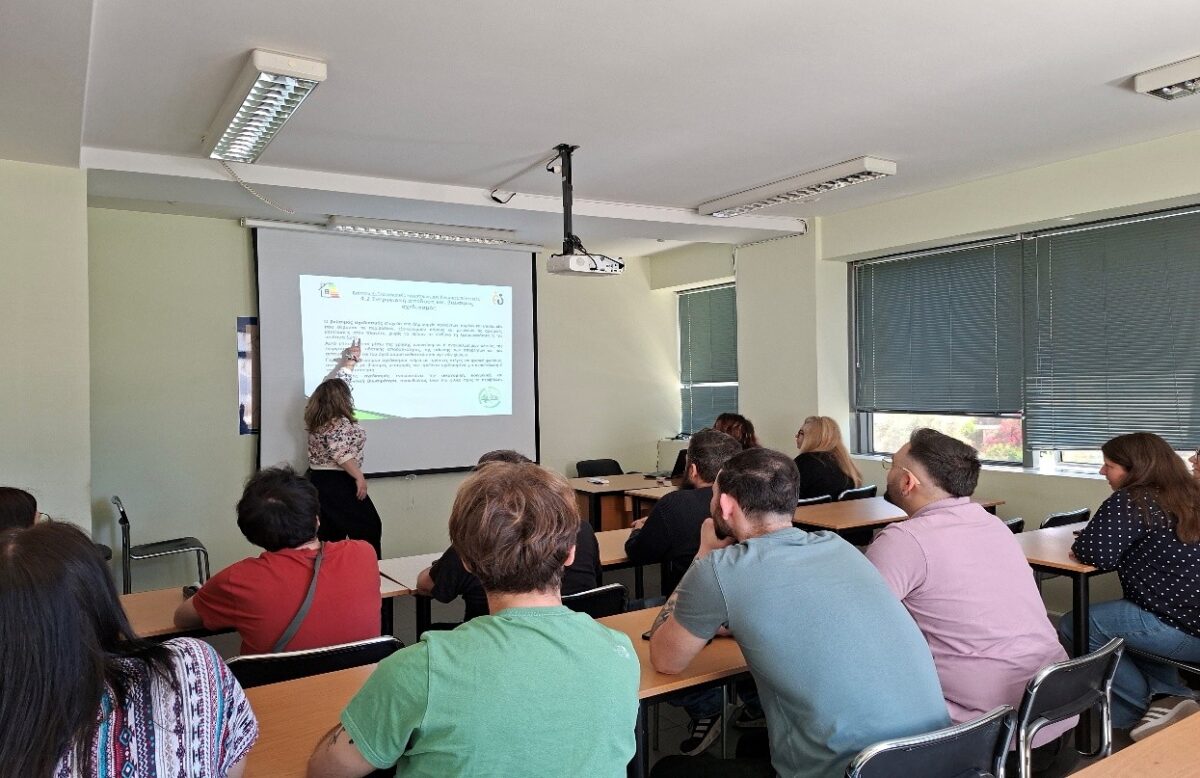
The energy transition depends not only on governments, businesses and technological innovation, but also on the everyday choices made by consumers. Understanding how the energy market works, knowing how to read an electricity bill and comparing energy offers are essential skills that empower people to make informed and sustainable decisions. An informed consumer can reduce energy costs while also contributing to a more efficient, resilient and environmentally friendly energy system.
Being aware of consumer rights, carefully reviewing energy contracts and understanding the different charges included in an electricity bill all help individuals make better-informed decisions. At the same time, concepts such as self-consumption and energy communities highlight the growing role that citizens can play in producing, managing and sharing energy. These initiatives not only promote greater energy independence but also encourage collective action towards a more sustainable future.
Energy education is about much more than saving energy. It is about equipping people with the knowledge and confidence to make responsible choices, take advantage of available opportunities and actively participate in building a stronger energy culture. By empowering consumers, we take another important step towards a cleaner, fairer and more sustainable energy future.
Knowledge is the first step towards making smarter and more responsible energy choices. Through the educational modules of the Participatory Schools of Energy Culture (PSEC) project, citizens can gain practical insights into the energy market, consumer rights and the opportunities to actively participate in the energy transition.
Through the pilot training program based on the educational packages “Energy Culture and Ecological Transition” and “Ecological Skills and Energy Culture,” 10 young professionals and students in environmental sciences were trained on key environmental and energy topics. The training was completed through two interactive educational sessions focusing on ecological skills, energy conservation, environmental decision-making, etc. The participants navigated the project’s educational platform, took part in interactive activities and discussions, and completed the training modules independently on the platform.